

Pan Órama
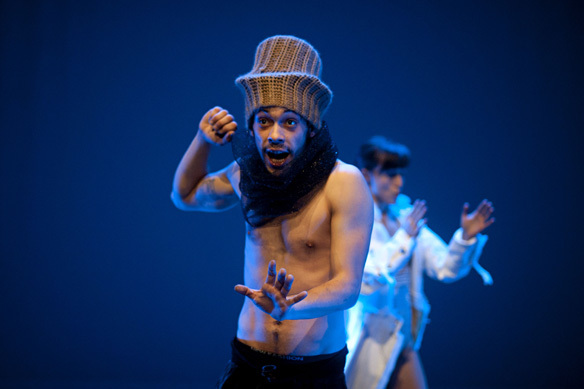
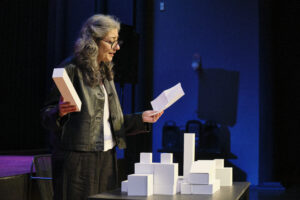
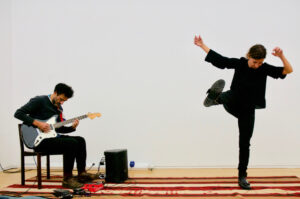
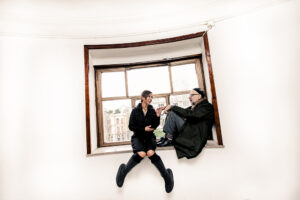
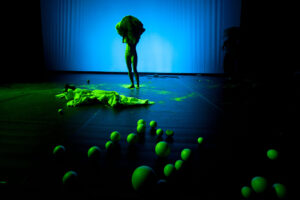
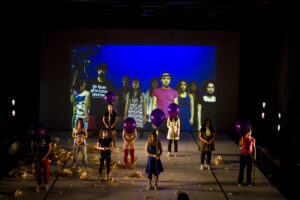
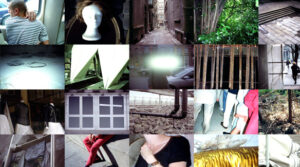
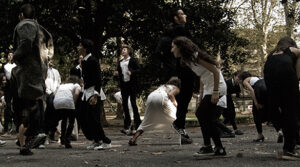
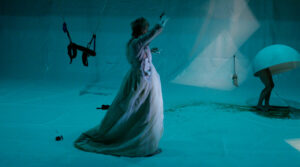
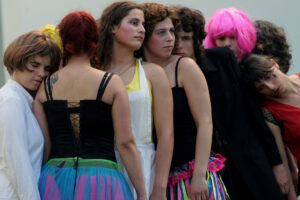
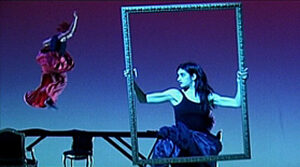
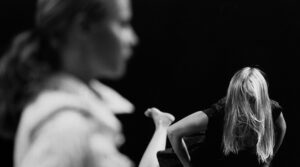
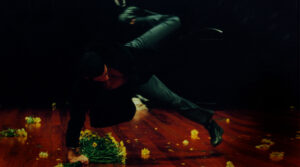
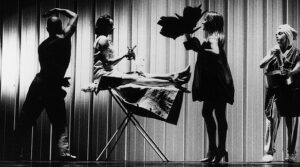
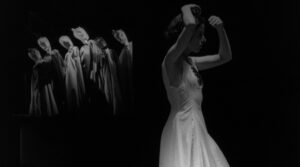
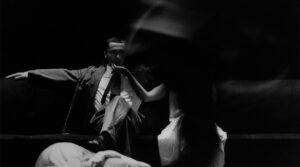
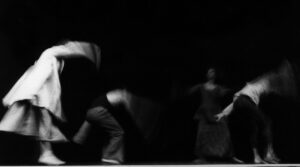
Pan Órama is a proposal of image theatre built after a love story which is being slowly told. It is a parade of memories, tiny particles of a story which is being revealed between the words, the music and the performers’ and the objects’ movement. A panorama, a visual poem created to see and to keep.
Isabel Barros dedicates this performance to João Paulo Seara Cardoso
Credits
direction and choreography: Isabel Barros
text: Regina Guimarães
music: Carlos Guedes
performers: Joana Castro, Nelson Luís
costumes: Helena Medeiros
light design: Alexandre Vieira
production: balleteatro
co-production: balleteatro e Cine Teatro Constantino Nery | Câmara Municipal de
Matosinhos
classification: m/3
genre:dance / theatre
Gallery
Video
Press
PAN ÓRAMA evolves around the construction of a love story, which, in its simplicity, carried the burden of existence, here and now.
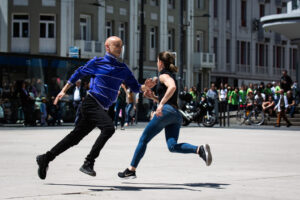
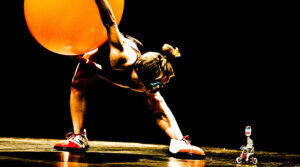
Two bodies, independently of their genre, start with swinging round objects – the world. A world which dissolves, which opens up in small narratives, deconstructed and processed by the urge to go further, to reach a place Isabel Barros has been exploring, the dream. This place enhances the surreal, the onirical, the very much the poem.
Starting with a poem by Regina Guimarães, paths start being unveiled, whether they are strange and distant or closer to us, and it is in this closeness that we see our reflection. Love is, undoubtedly, the starting point, but not always the arriving one – some times those bodies take us until the end, to the farewell, for instance, or the proximity, we learn to touch the other without hurting him, but sometimes it hurts – i tis suppose to – what would happen to love without pain? And of course, what would happen to art without pain?
The stage is a safe place for the creation of new places; when I say ‘new’, I mean ‘other’. Pan órama is an exemple of that: in the short period of time in which the performatic moment is held, those bodies inhabitate the passage of time and, as a consequence, the passage of the places – there, where other bodies and other things inhabitate (things that we recognize but that not always remembre of their veracity). Us and the others, who also love each other, and who also come to an end.
Pan órama ends, because everything has to have an end, just like love, that when it reaches the end of the line, it stops – I feel that stopping doesn’t mean vanishing.
In that story (in those stories), the flour stays after the bread.
Flávio Rodrigues, 2011